Evolving Miniatures: A Modern Rebirth of Classic Toy Racing
- Oct 19, 2026
- 0
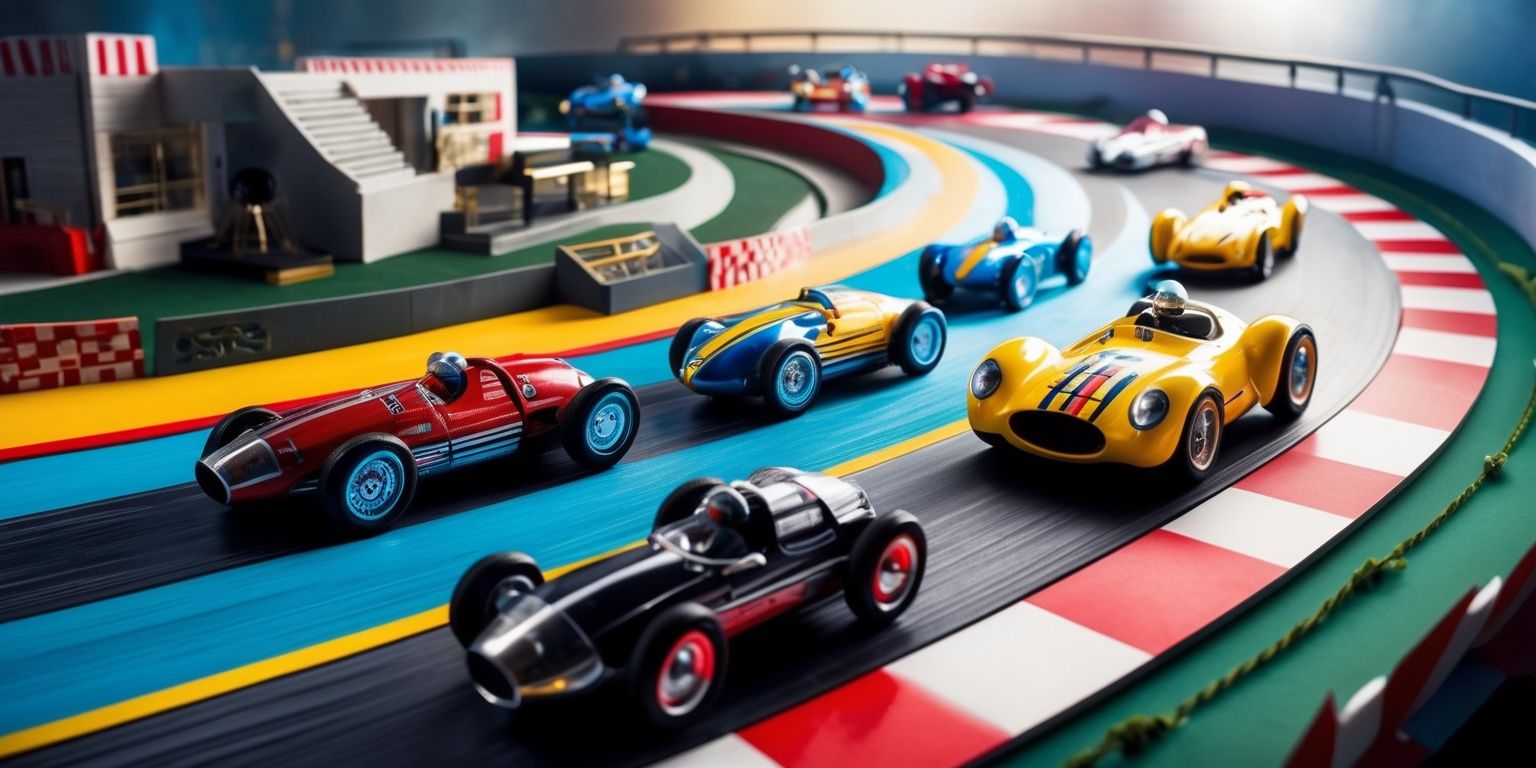
The world of toy-inspired racing collides with a modern reinterpretation of arcade thrills as players are invited to explore a universe where every plastic curve is infused with both nostalgia and contemporary ambition. The recent iteration reexamines its lineage with an eye toward both innovation and a reverence for its celebrated past. Amid the glossy sheen of photorealistic car models and compact yet distinctly themed worlds, the experience promises a nuanced blend of classic mechanics and aspirational design. While the vibrant imagery can spark lively memories, the adaptation of traditional play in a digitally rendered playground introduces new gameplay philosophies that challenge and entertain. In this exploration, each element is dissected to reveal a tapestry of intentions, surprises, and missed opportunities.
Visual Authenticity and Material Realism
The presentation of car models in this racing experience remains a focal point, with each vehicle crafted in painstaking detail that captures the authentic glint of zinc and plastic. The photorealism imbued within the models stands as a testament to the developers’ commitment to bringing a tangible feel to a world of miniaturized racing. The glossy sheen that defines these toy replicas is both impressive and indicative of a long-established technical expertise. However, some fans may notice that the vehicles seem to retain their factory-fresh appearance throughout races, missing the subtle marks of wear that once testified to constant high-octane action. Despite these minor alterations, the general aesthetic remains true to its roots, evoking memories of well-worn playthings and the tangible joy of childhood motorized antics.
Track Design and Urban Playgrounds
The maps in this racing saga are crafted with a playful yet restrained sensibility that echoes familiar urban landscapes and modular city blocks. Each locale, though modest in scale compared to its predecessors, is designed with clear thematic identities that help to embed the racing action within a believable context. For example, commercial and downtown-inspired tracks merge with industrial desert zones and gently nod to East Asian architectural influences. Their design may seem straightforward when juxtaposed with the more interactive environments of earlier titles, where everyday objects became part of the challenge. This approach yields tracks that prioritize functional racing over the sprawling, imaginative set pieces that once transformed every race into a miniature diorama of endless possibility.
Car Detailing and the Evolution of Wear
The striking clarity and detail of each car model remain a crowning achievement within this iteration, with textures that convincingly replicate the reflective and smooth surfaces of modern toy designs. Unlike previous installments, where vehicles acquired tangible signs of use through scratches and abrasions, the current models maintain a pristine appearance throughout gameplay. This decision evokes mixed feelings—the absence of wear undermines part of the narrative of rugged, play-used vehicles, reminding players of less tangible consequences for every turn and collision. Nonetheless, this choice does lend the game an almost surreal, perfectionist sheen that communicates an entirely different aesthetic. It prompts an interesting discussion on whether timeless perfection or battle-worn character creates a more immersive toy racing environment.
Expanding the Roster: A Generational Perspective
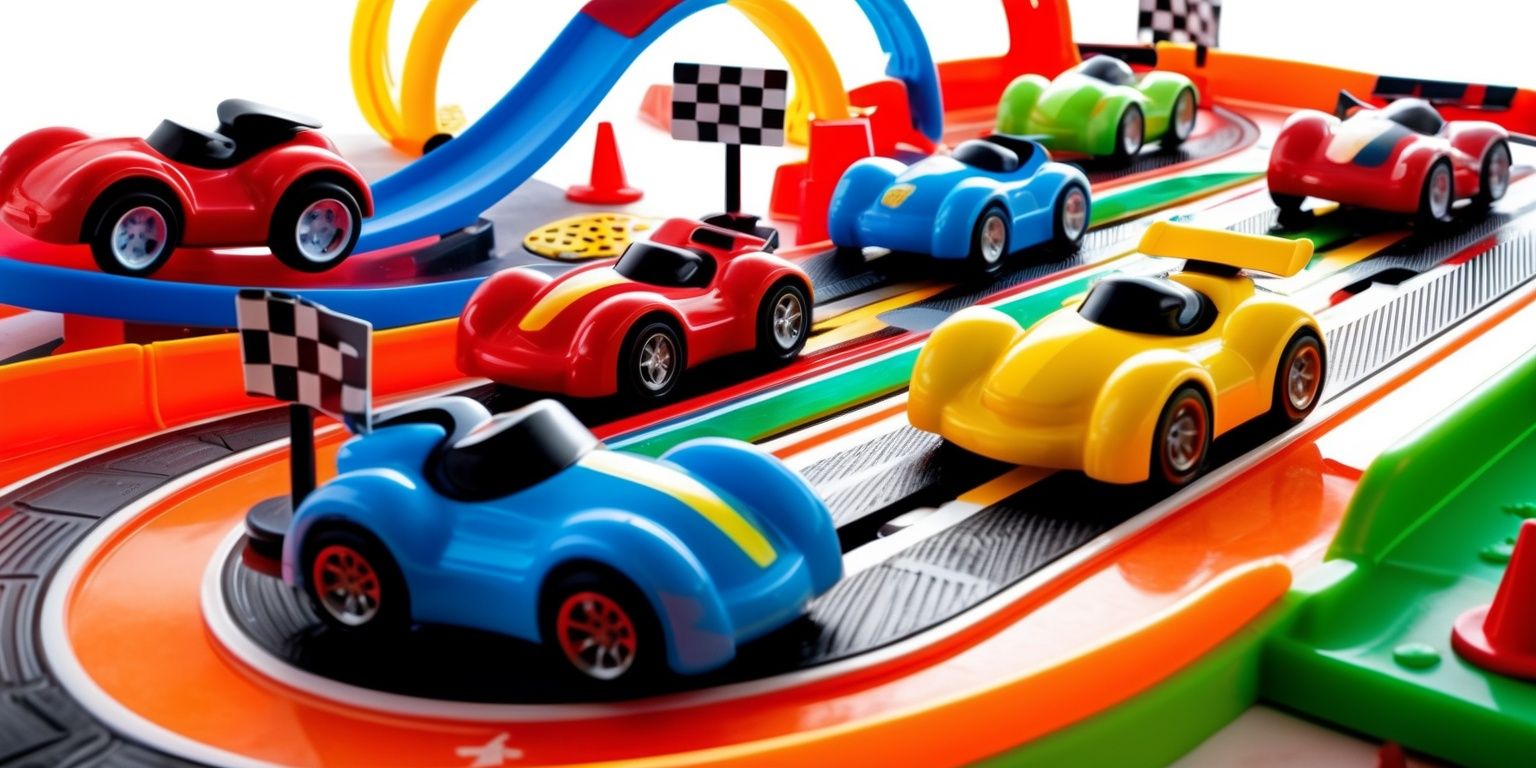
The diversity offered in the vehicle roster is significant, yet it exposes a disparity between modern and historic design sensibilities. Roughly one-third of the available cars are fresh entries that infuse the game with an innovative spirit, but the selection remains heavily skewed towards contemporary models. While there is a respectable nod to early models such as AcceleRacers from the early 2000s, the nostalgic elements cherished by long-time enthusiasts appear underrepresented. This emphasis on current designs may alienate those who long for a richer, more variegated history—a collection that offers a glimpse into the heritage of the brand stretching back several decades. The resulting lineup of vehicles speaks to a targeted demographic while leaving little room for the diverse spectrum of generations that have cherished these toys over the years.
Handling Dynamics and Class Distinctions
At the core of this racing experience lies a simplified yet distinct class system that categorizes vehicles into four primary types: Versatile, Speeder, Drifter, and Titan. This structure forms the backbone of the driving mechanics, with each class offering unique trade-offs that challenge players to adapt their racing style. For instance, Titans offer robust power at the cost of agility, while Versatile models require strategic management of their boost mechanics. The interplay of these classes gives the game a layered approach to handling, where mastering each type demands a specific understanding of its capabilities and limitations. Although the streamlined hierarchy may sacrifice some granularity, it establishes a clear identity for each category, ensuring that players can quickly align their preferred style with strategic gameplay decisions.
Mastering the Art of Drifting
Drifting emerges as a central element of the gameplay, and it is here that the nuances of the class system become particularly evident. Among the available options, the Drifter category often stands out for its ease of executing smooth, controlled slides that are imperative for tight corners and unexpected obstacles. This emphasis on sliding mechanics reinforces the arcade charm of the title, rewarding players for precise timing and rhythm. Yet, it is noticeable that other classes occasionally struggle to deliver the same intuitive feel, sometimes marring the balance with perplexing speed penalties when attempting similar maneuvers. The disparity in handling invites deeper exploration into each vehicle's design while simultaneously testing the player’s adaptability across different models, thereby infusing the racing experience with an aspect of rewarding mastery.
World Exploration and Modular Environments
One of the more ambitious yet imperfect aspects of the game is its segmented approach to open-world exploration. Instead of a vast, singular open map reminiscent of other celebrated titles, players navigate through four distinct islands, each imbued with its own thematic flavor. Names like Wheelswood, Tentacle Bay, Gearville, and Drifty Temples evoke specific environments—a downtown buzz, a mix of urban and rural landscapes, a stark desert juxtaposed with industrial elements, and a nod to Eastern design influences. While these environments display a creative effort at diversifying the racing backdrop, they sometimes fall short in offering the scale and immersion seen in previous contributions to the series. The spatial limitations and the simplified interactivity with the surroundings create an experience that is functional but lacking in the grandiose spectacle of its forerunners.
Non-linear Racing and Engaging Side Challenges
The design choice to integrate side challenges into the maps attempts to extend the gameplay beyond traditional racing, introducing activities like photography contests and waypoint collections. These elements are intended to add layers of engagement, encouraging players to interact with the environment while pursuing alternative objectives. Yet, these tasks often reduce themselves to preset routines that risk feeling more like background chores rather than integral parts of a dynamic world. The challenge lies in striking a balance between competitive racing and exploratory side quests, a balance that this iteration sometimes misses. Even though the opportunities for off-track diversions are present, they are frequently overshadowed by a reliance on straightforward racing mechanics that do little to push the narrative of open-world exploration beyond its functional framework.
Reflections on Scale and Environmental Interaction
For enthusiasts of immersive track design, the scale of racing environments plays a crucial role in the overall experience. In this title, the limited extent of the maps tends to downplay the tactile thrill of racing through dramatically scaled dioramas. Unlike previous renditions, where players navigated environments that transformed familiar household objects into imposing challenges, the current world sometimes feels less integrated and more like a backdrop to generic racing events. This shift in scale leaves little room for the enchanting interplay between sprawling environments and the miniature vehicles daring to conquer them. While the game makes attempts to incorporate recognizable landmarks—such as a charming monument that hints at the legacy of the toy brand—the impact is diluted by the confined nature of the maps and the systems that restrict dynamic interaction with the surroundings.
Innovations in Multiplayer and AI Integration
Beyond the core racing mechanics, the game introduces several features that broaden its appeal and promise a fresh take on multiplayer competition. A notable enhancement is the support for four-player splitscreen racing, which rekindles the classic experience of shared screen play that many enthusiasts have long cherished. This functionality transforms local competition into a lively, communal affair, inviting friends and family to rev their engines in tandem. Additionally, an innovative twist comes in the form of AI-driven competitors on user-created tracks, a feature that hints at a future rich with endless custom challenges. These elements collectively enrich the gameplay, creating avenues for prolonged engagement while simultaneously spotlighting creative customization and algorithmic adaptability within the racing realm.
Customization, Tuning, and Personal Expression
The in-depth customization suite forms a vital part of the game’s appeal, allowing players to fine-tune their vehicles to personal tastes and driving styles. The ability to swap out wheels, among other aesthetic adjustments, underscores a commitment to personalized expression reminiscent of classic diorama-building passion. For collectors and hobbyists alike, this detail-oriented aspect of the game resonates deeply, allowing them to recreate or innovate upon classic designs. Moreover, the customization process extends beyond mere visual tweaks; it intricately ties into performance enhancements and strategic decisions on track. While this system builds on the foundation established in earlier iterations, it is refined in ways that both veterans and newcomers can appreciate, offering a profound sense of ownership and creative agency as each participant sets up their ideal racing machine.